Event Lighting That Changes How The Room Feels
Lighting is one of those things people don’t always think about first — until they walk into a room where it’s done right.
Good event lighting doesn’t scream for attention. It quietly sets the mood, defines the space, and guides energy throughout the night. It affects how guests feel when they enter the room, how long they stay on the dance floor, and how the event looks in photos and video.
At Beloved Entertainment, we treat lighting as part of the overall experience, not a standalone add-on. Whether it’s a wedding, corporate event, nightlife venue, or concert, lighting works best when it’s planned alongside the music, timeline, and layout of the space.
If you’re looking for event lighting in Buffalo or Western New York, this page will walk you through how we approach it — and why it makes such a noticeable difference when everything works together.
Lighting For Different Types Of Events
Not every event needs the same lighting — and that’s one of the biggest mistakes people make.
Lighting should change based on the type of event, the audience, and how the space is being used throughout the night. A wedding reception, a corporate gala, a nightclub, and a concert all have very different goals, and the lighting needs to support those goals instead of fighting them.
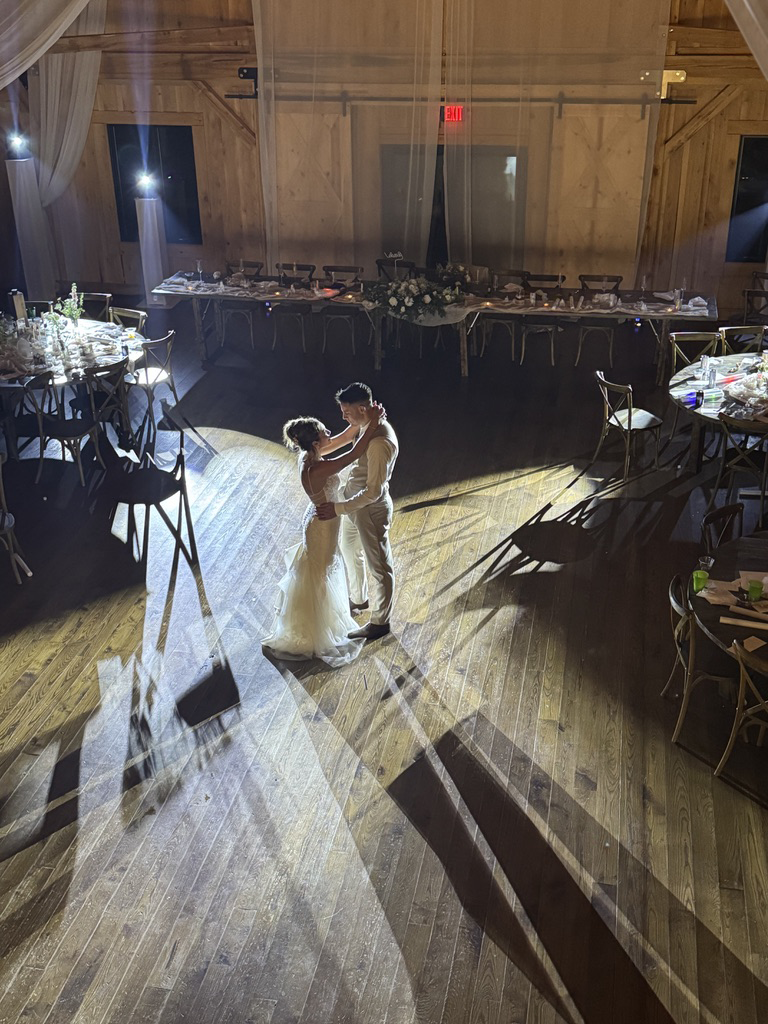
For weddings, lighting usually starts clean and subtle. Early in the night, it helps the room feel warm and welcoming without pulling attention away from formal moments like introductions, toasts, or dances. As the night moves into open dancing, the lighting can shift to support higher energy without overwhelming guests or photographers.
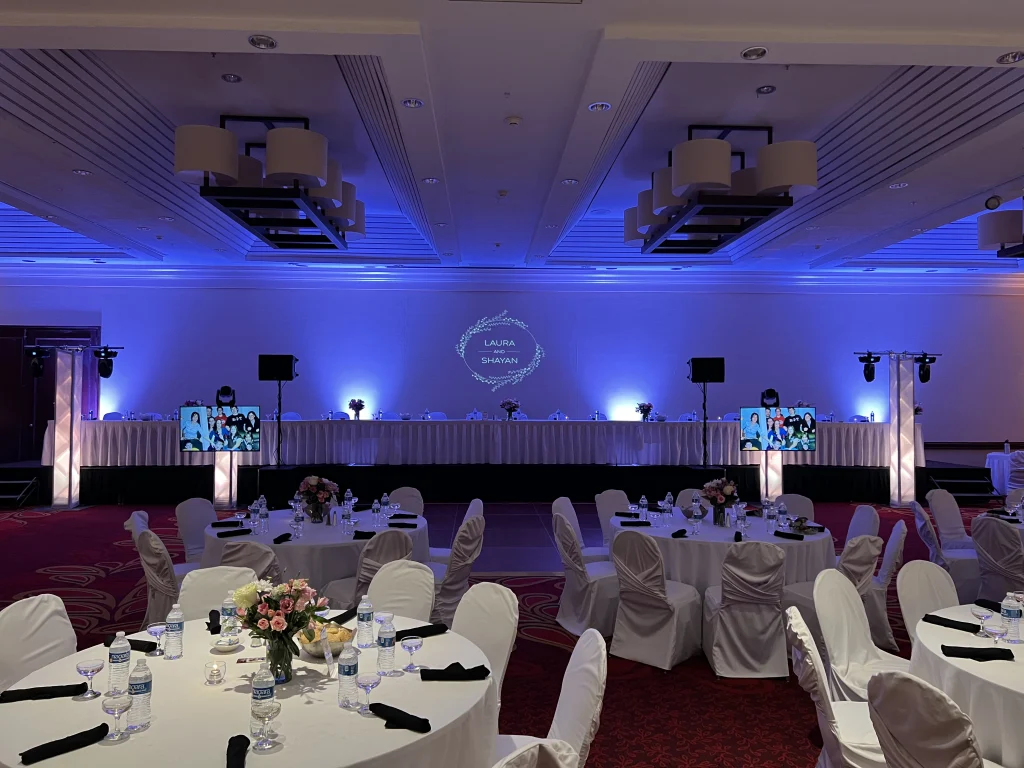
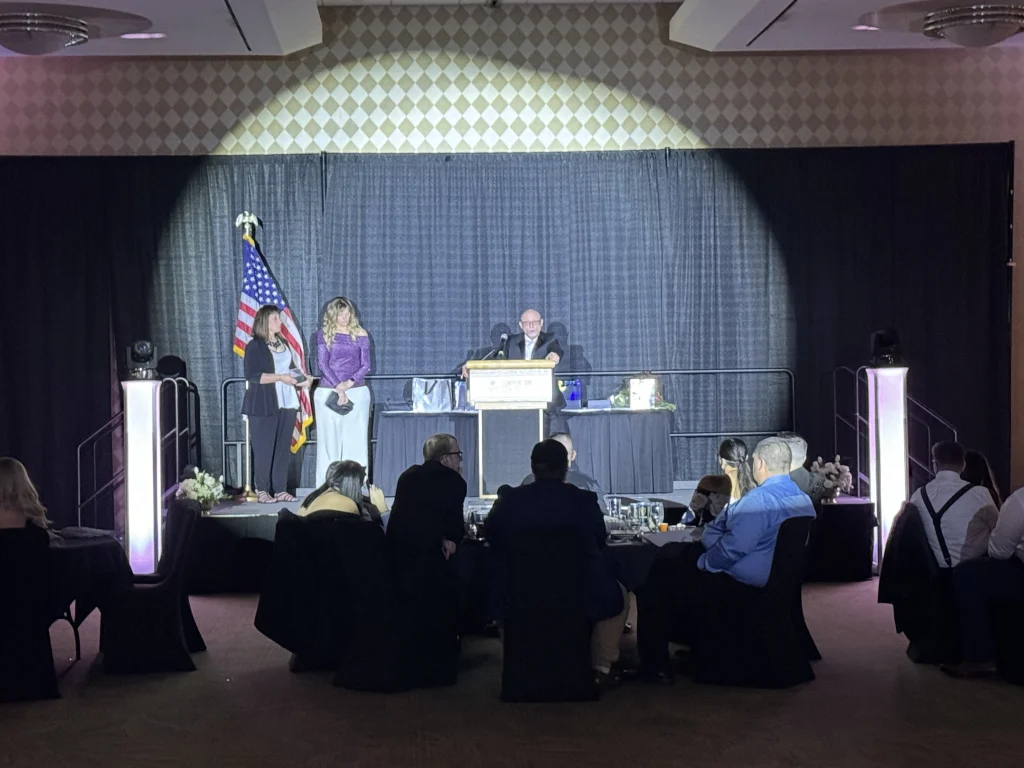
For corporate events, lighting is about clarity and focus. It helps define stages, highlight speakers, reinforce branding, and keep the room looking professional. The goal isn’t distraction — it’s creating an environment where people can engage comfortably.
For nightlife, lighting plays a more active role. It supports pacing, rhythm, and consistency throughout the night. Movement and color matter, but control matters more. Random or overly aggressive lighting can actually work against crowd energy.
For concerts, lighting helps direct attention. It supports performers, keeps sightlines clear, and enhances atmosphere without interfering with visibility or sound.
Because we handle DJ services and event production in Buffalo, we plan lighting differently for each of these scenarios — instead of dropping the same setup into every room.
Why Lighting Works Best When It’s One Team
Lighting works best when it’s coordinated with the music and the timeline — and that’s hard to do when multiple teams are working independently.
When the DJ, lighting, and production are handled by different vendors, communication gaps happen. Transitions feel off. Lighting changes don’t line up with music changes. Adjustments take longer than they should.
When it’s one team, everything moves together.
At Beloved Entertainment, lighting and music are planned as one system. That means lighting supports what’s happening musically instead of reacting late or doing its own thing. When the energy rises, lighting follows. When things need to calm down, lighting pulls back.
This approach also simplifies planning. There’s one conversation, one timeline, and one team responsible for execution. Clients don’t have to translate between vendors or worry about who’s handling what.
That coordination is one of the biggest reasons our lighting feels natural instead of forced.
Dance Floor Lighting
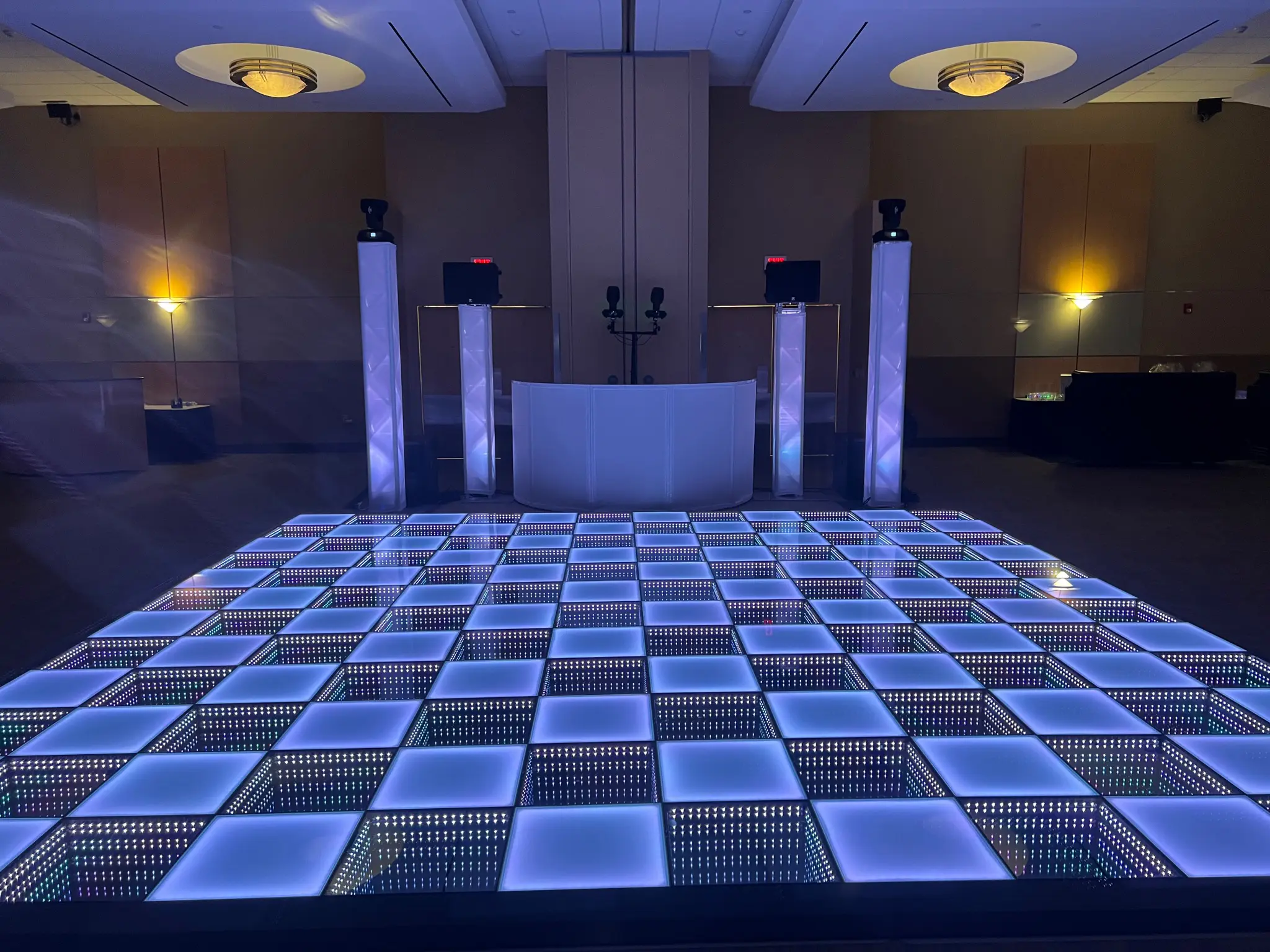
Dance floor lighting is where lighting becomes most noticeable — and most misunderstood.
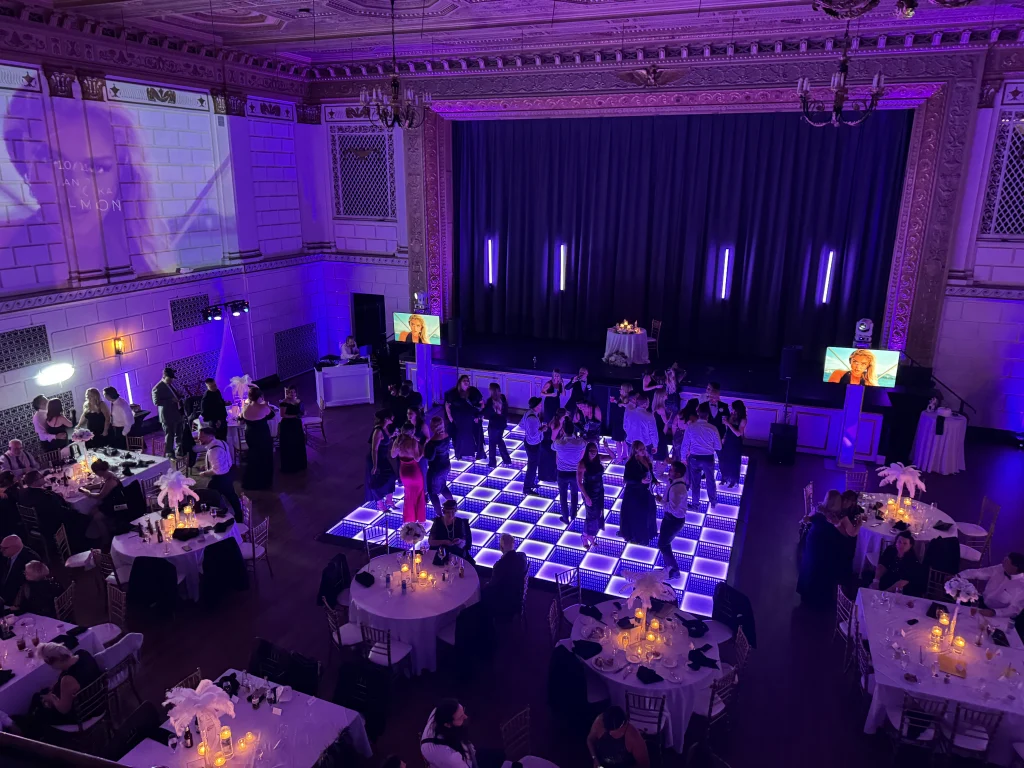
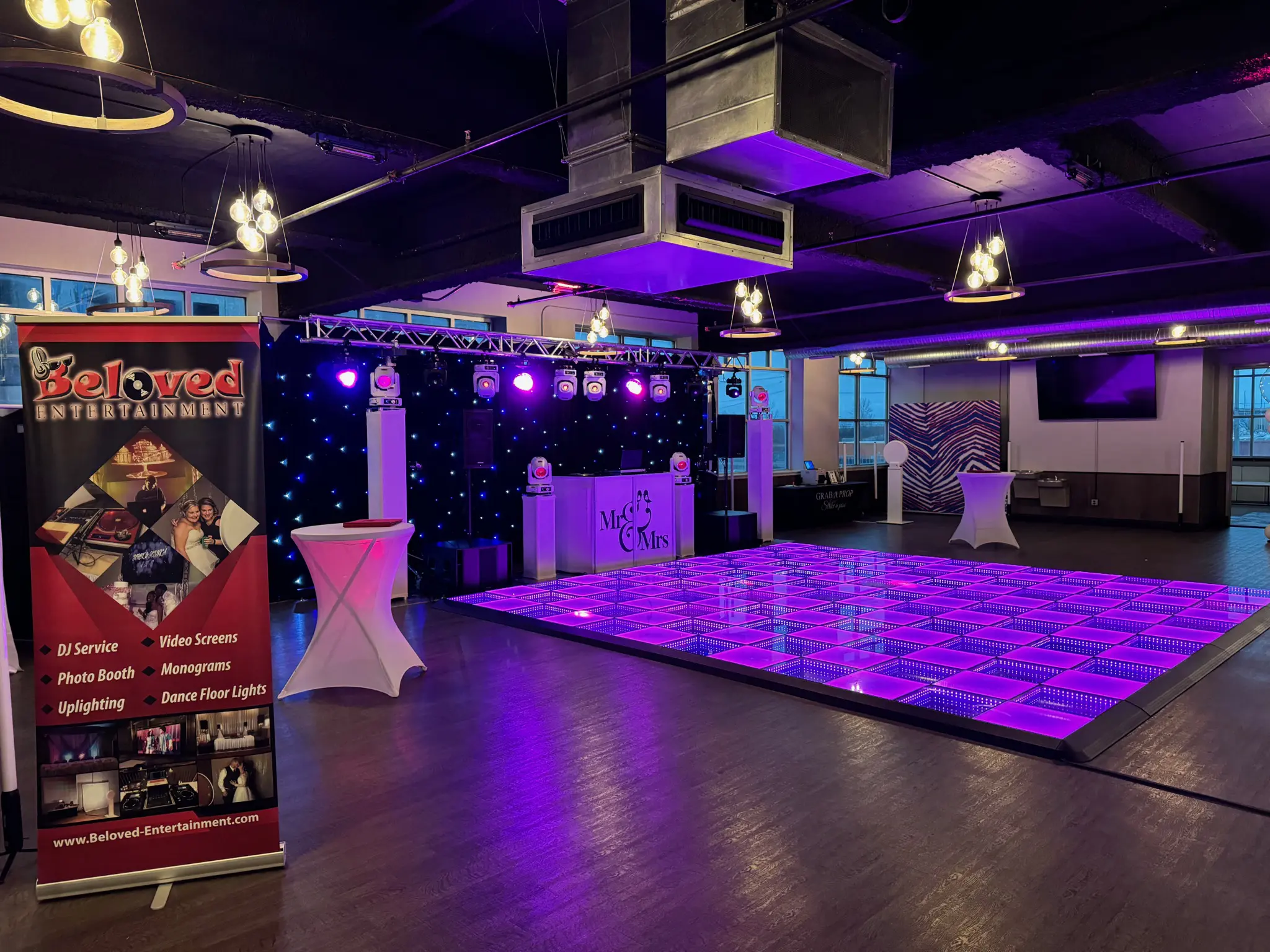
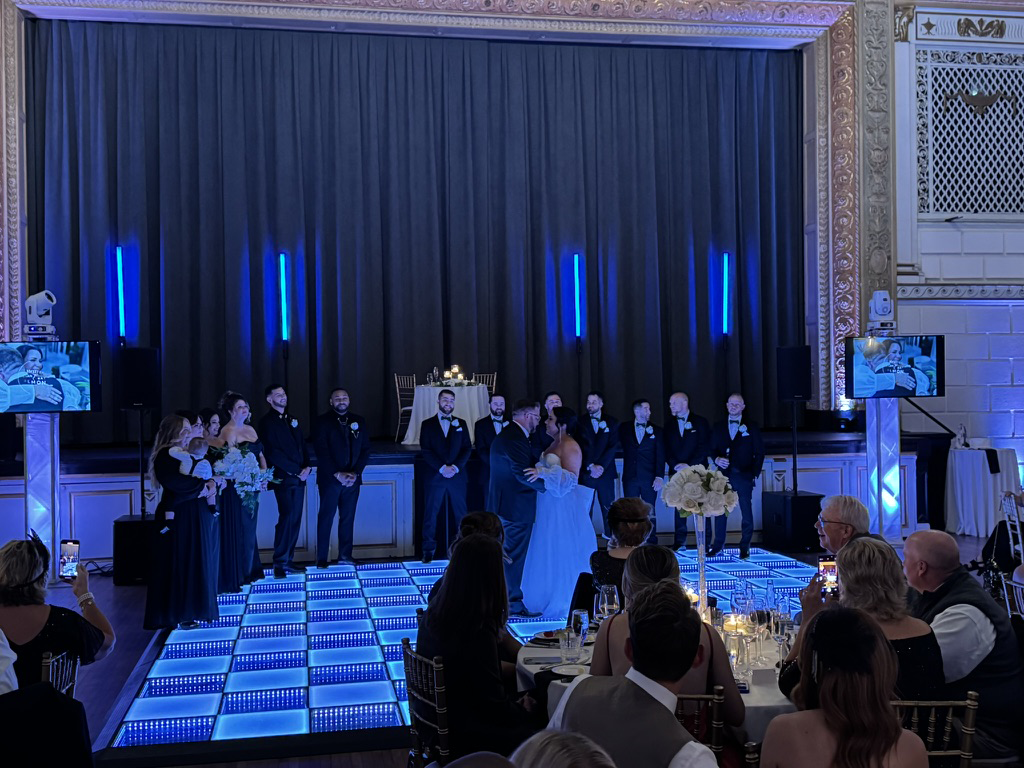
The goal isn’t to flash lights constantly or turn the dance floor into a distraction. Good dance floor lighting supports energy. It gives guests a reason to move toward the center of the room and stay there.
Early in the night, dance floor lighting often stays subtle. As the room fills and energy builds, lighting can become more active. The key is control. Lighting should follow the music’s pacing, not overpower it.
We operate dance floor lighting live, adjusting as the night progresses. That allows us to match changes in energy without overwhelming guests or creating visual fatigue.
Because we handle both DJ and lighting operation, everything stays in sync — which keeps the dance floor active longer and avoids the “too much, too fast” problem.
Accent Lighting
(Uplighting, Tube Lighting, Centerpiece Lighting)
Accent lighting helps define the room before anyone ever steps onto the dance floor.
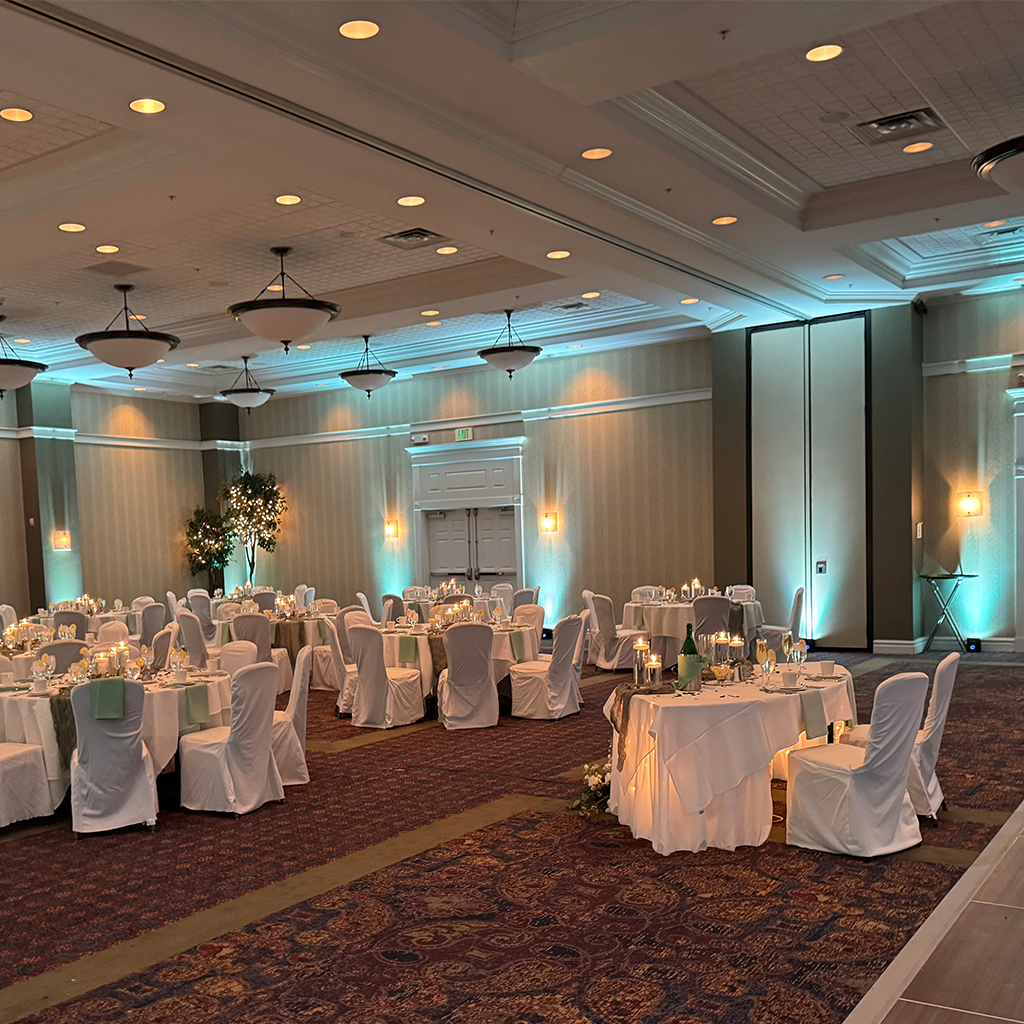
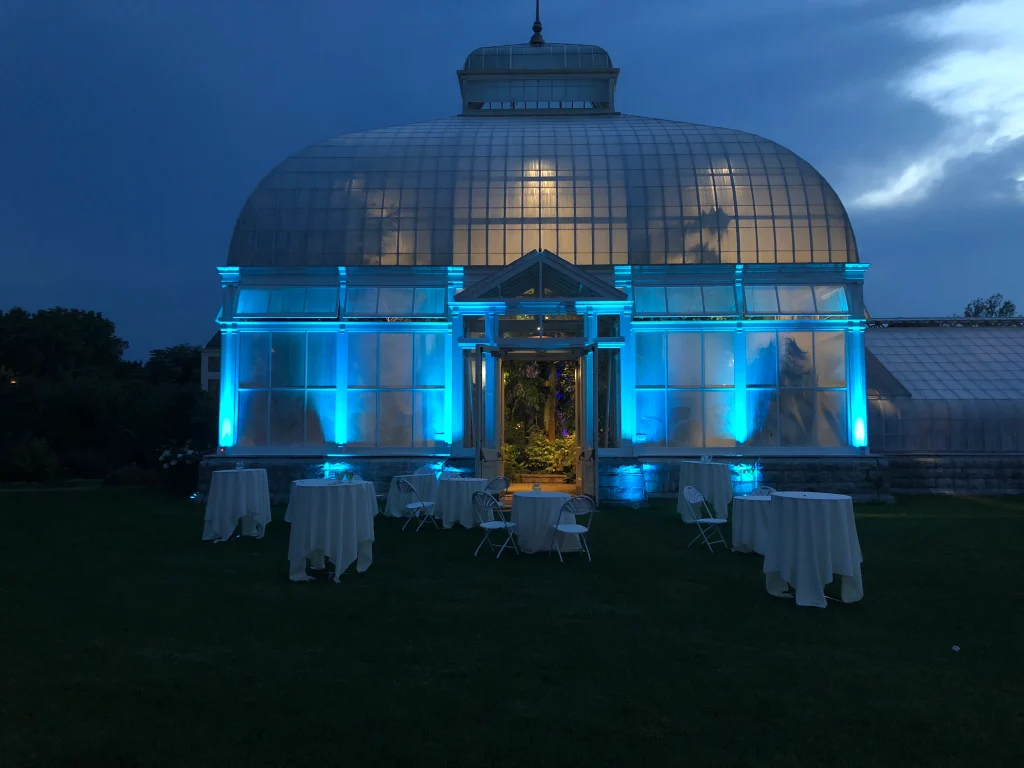
Uplighting is commonly used along walls and columns to shape the space and add depth. It can make a room feel warmer, taller, or more polished depending on color and placement.
Tube lighting adds a modern architectural feel and works well in venues with clean lines or contemporary designs. It’s often used to frame spaces without cluttering them.
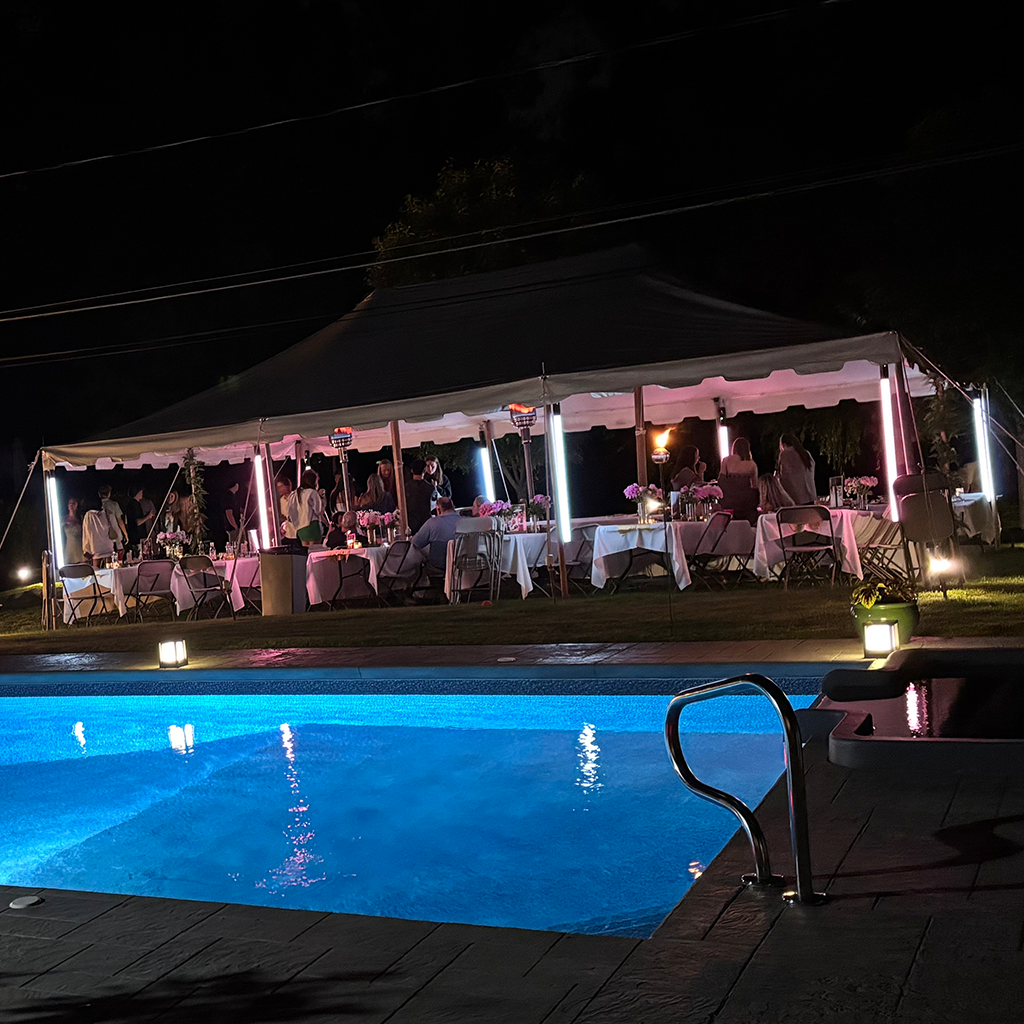
Centerpiece lighting adds subtle detail to tables, helping the room feel cohesive instead of flat. It’s especially useful in larger spaces where tables might otherwise fade into the background.
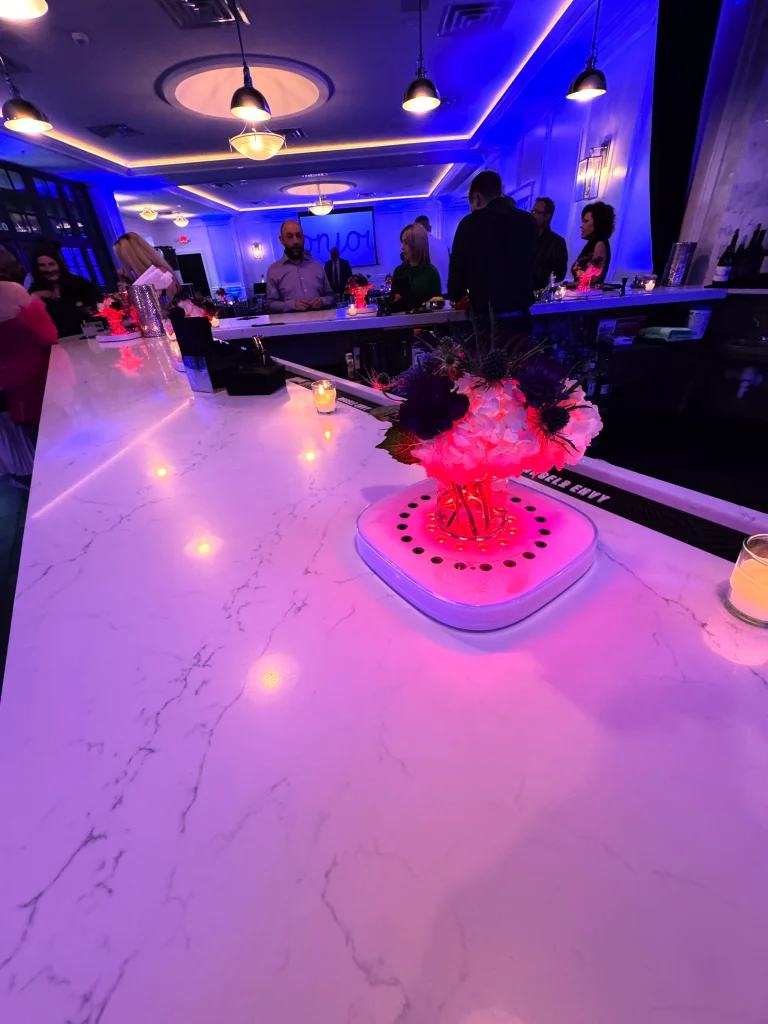
Accent lighting is about balance. Too little and the room feels empty. Too much and it feels busy. We plan accent lighting based on the venue layout, ceiling height, and guest flow — not just what looks good in isolation.
Pin Spotting
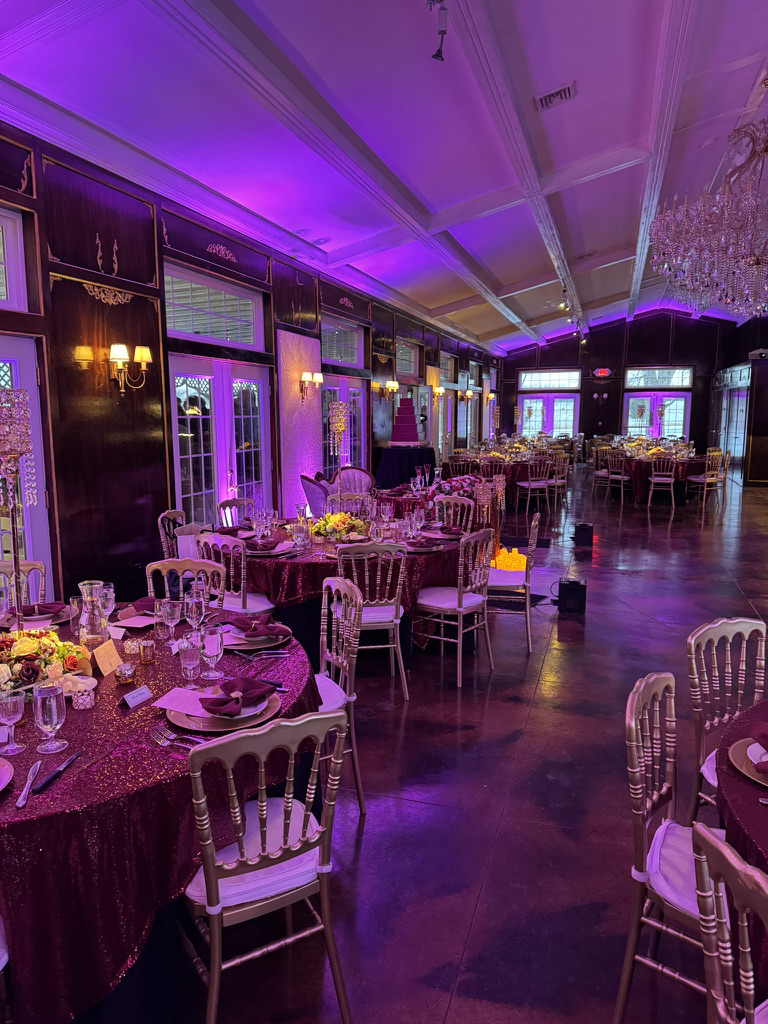
Pin spotting is small but powerful.
It’s used to highlight specific elements like cakes, centerpieces, sweetheart tables, or displays. The difference it makes is most noticeable in photos and video, where details suddenly stand out instead of blending into the room.
Pin spotting is subtle by design. Guests don’t always notice it directly — but they notice how polished everything looks because of it.
This is one of those lighting elements that’s easy to skip, but once you’ve seen the difference, it’s hard to unsee.
Bistro Lighting
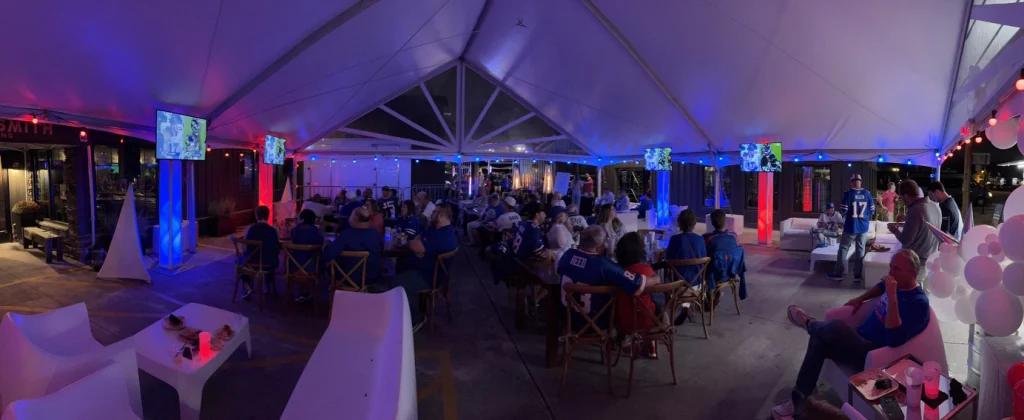
Bistro lighting adds warmth and structure to outdoor and open-air spaces.
It’s commonly used for patios, tents, courtyards, and outdoor receptions. Bistro lighting helps define gathering areas and creates a relaxed, inviting atmosphere without feeling overly styled.
Because bistro lighting requires proper spacing, power planning, and secure installation, it’s something we plan early. That ensures it looks clean, stays safe, and fits naturally into the space.
When done right, bistro lighting makes outdoor events feel comfortable and intentional — especially as the sun sets and the evening begins.
Planning & Setup
Lighting should never feel like an extra burden on event day.
We handle load-in early, test everything before guests arrive, and manage power and cable placement so nothing interferes with the room or guest experience.
Clients don’t have to coordinate with venues or troubleshoot issues. Lighting is already in place, tested, and ready to go long before the first moment happens.
That preparation is what allows the night to flow without stress.
Beloved Entertainment
Explore Event Lighting Options In Western New York
Lighting isn’t about adding more gear — it’s about shaping the experience your guests remember.
If you’re planning a wedding, corporate event, or celebration in Buffalo or Western New York and want lighting that works with your event instead of competing with it, we’re happy to talk through the options.